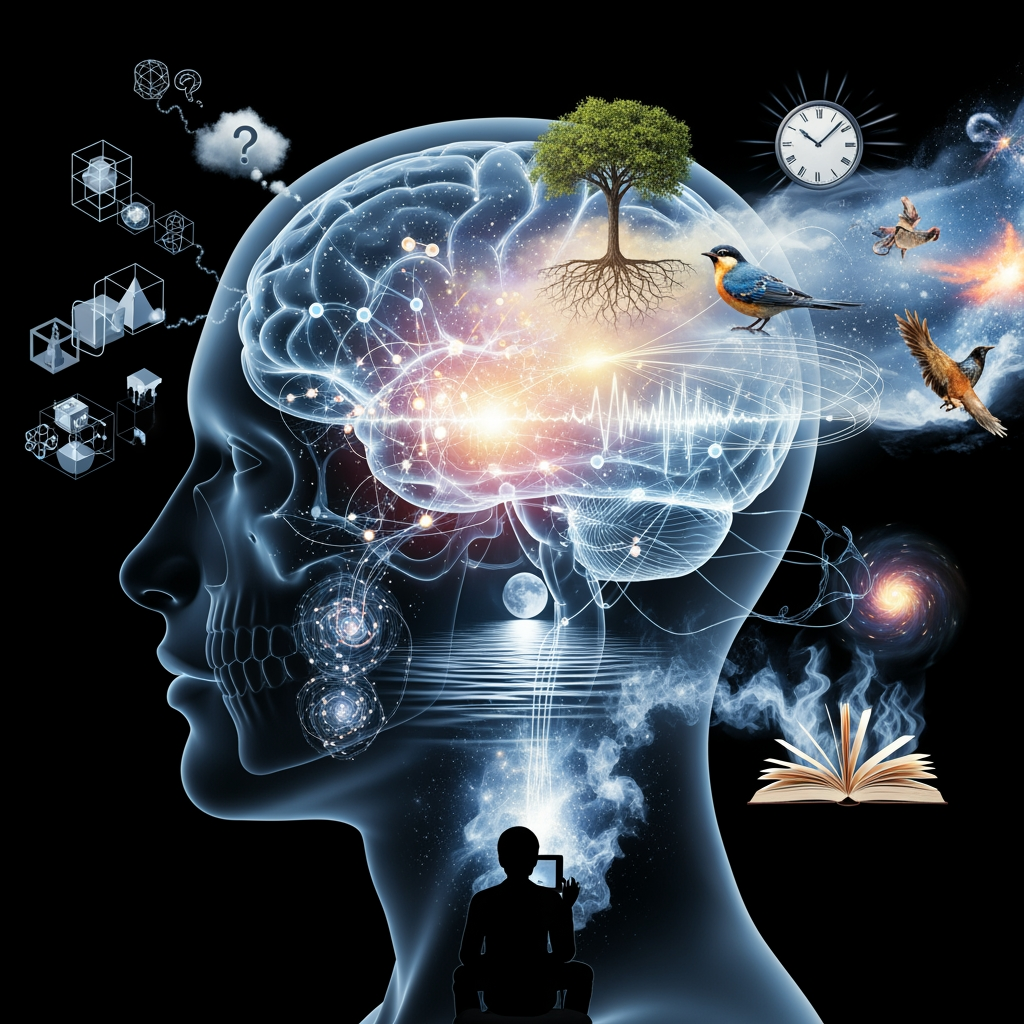
Every night, your brain generates vivid, often bizarre experiences while you sleep. Despite decades of research, dreams remain partially mysterious, though science has uncovered fascinating insights.
The REM Connection
Most vivid dreams occur during Rapid Eye Movement sleep, when brain activity resembles waking states. REM cycles last longer as the night progresses, explaining why morning dreams are often most memorable. But dreaming also occurs during non-REM sleep, just with less narrative complexity.
Memory Consolidation Theory
Evidence strongly suggests dreams help process and consolidate memories. The brain replays and reorganizes daily experiences during sleep. This may explain why studying before bed improves retention—sleep allows the brain to strengthen new neural connections.
Emotional Processing
Dreams disproportionately feature emotional content, particularly negative emotions. Some researchers believe dreaming helps regulate emotions by processing difficult experiences in a safe, simulated environment. This could explain why sleep deprivation worsens emotional stability.
The Activation-Synthesis Hypothesis
Another theory proposes dreams are the brain's attempt to make sense of random neural firing during sleep. The narrative we experience is our mind constructing meaning from essentially meaningless signals.
Why We Forget Dreams
The brain chemicals involved in forming long-term memories are suppressed during REM sleep. Unless you wake during or immediately after a dream, it typically fades from memory.
This article was generated by AI to provide informational content.