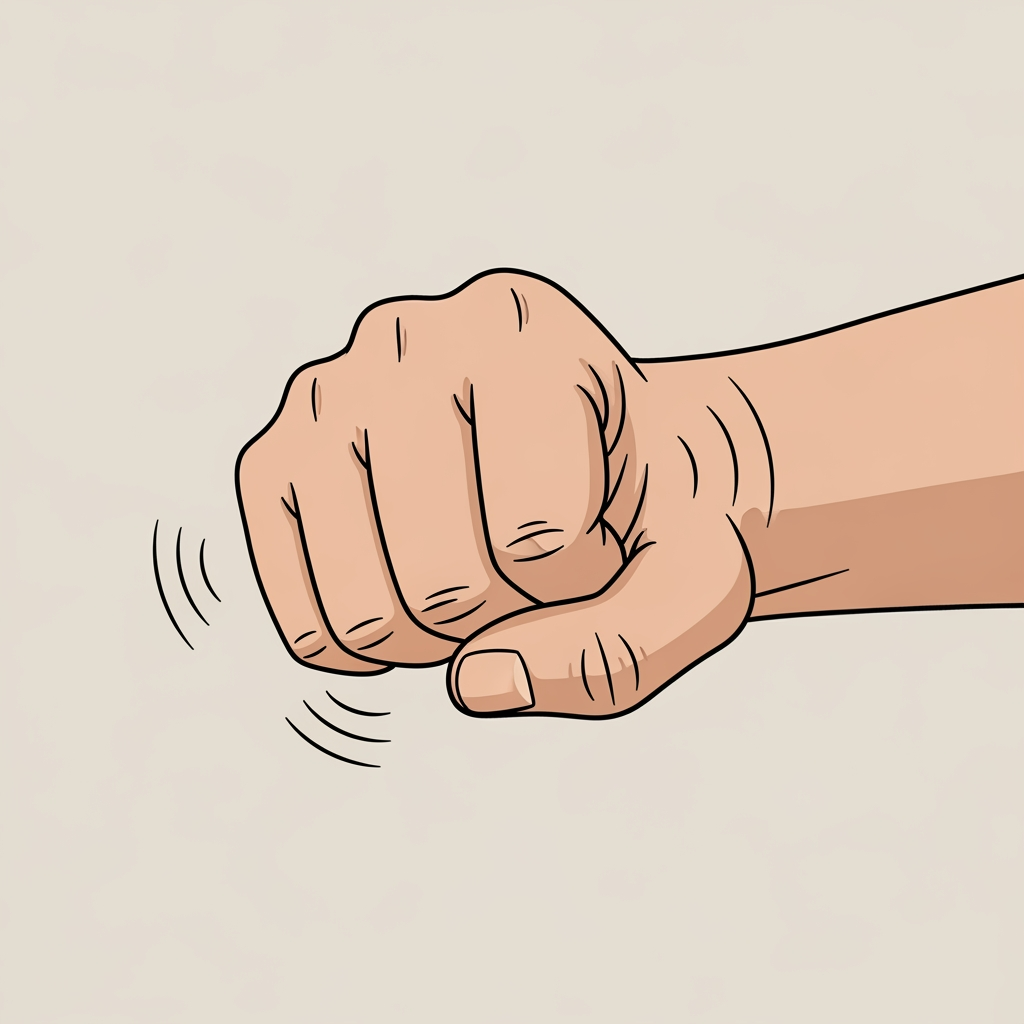
That satisfying pop when you crack your knuckles has sparked decades of debate about joint health. Science has finally settled the question of what's actually happening.
The Sound's Origin
The pop comes from gas bubbles forming in the synovial fluid that lubricates your joints. When you stretch or bend a joint past its normal range, the pressure change causes dissolved gases to rapidly form bubbles. This is called cavitation.
The Refractory Period
After cracking, you can't immediately crack the same joint again. The gas takes 15-30 minutes to redissolve into the fluid. Only then can another bubble form and pop.
Does It Cause Arthritis?
Multiple studies, including one researcher who cracked knuckles on only one hand for 60 years, found no connection between knuckle cracking and arthritis. The arthritis myth persists despite consistent evidence against it.
Are There Any Risks?
Some studies suggest frequent, forceful cracking might reduce grip strength or cause minor soft tissue swelling over time. However, the evidence remains limited and the effects minor. Occasional cracking appears completely harmless.
Why Does It Feel Good?
Joint manipulation temporarily increases range of motion and may stimulate nerves that produce a satisfying sensation. Some people develop a habit simply because it feels relieving.
This article was generated by AI to provide informational content.