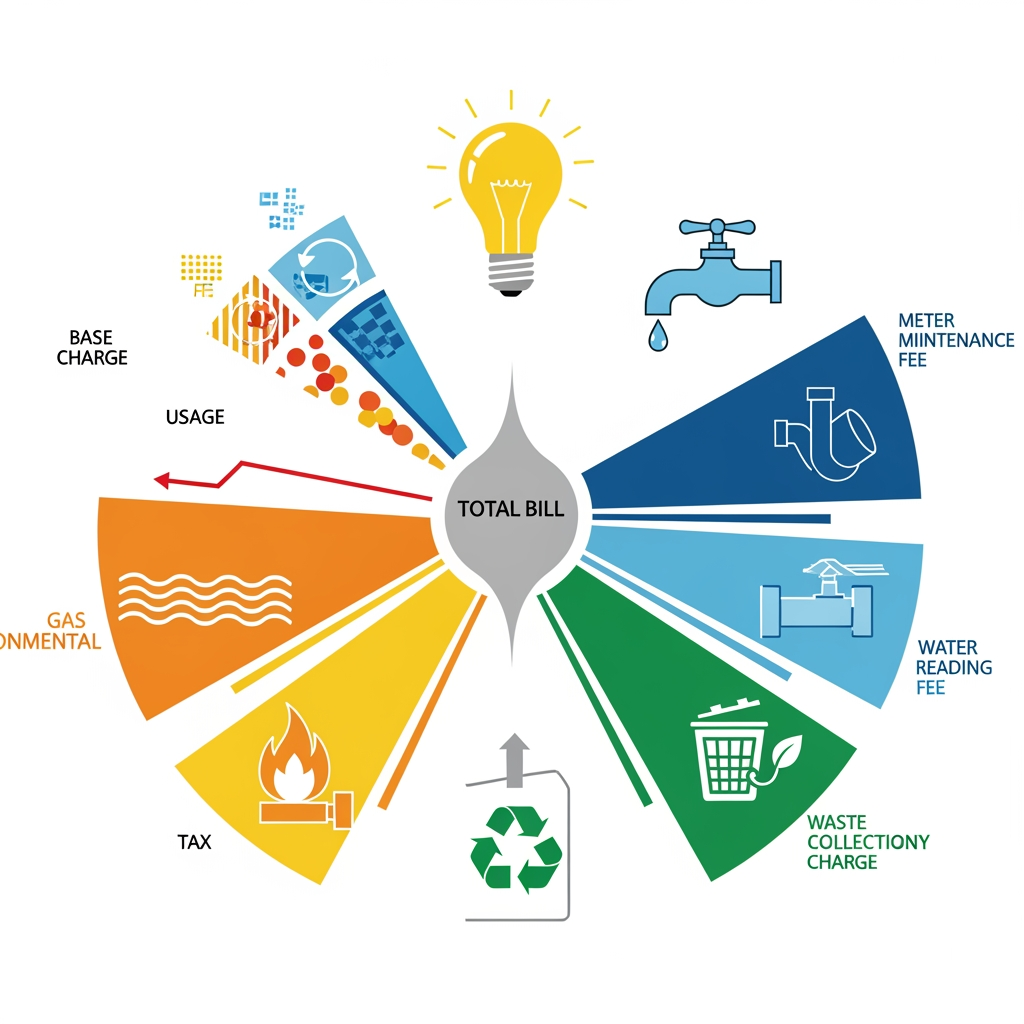
Utility bills arrive monthly, you pay them, but do you actually understand what all those charges mean? Decoding your bills reveals savings opportunities and catches billing errors.
Electric Bill Components
Your electric bill includes multiple charges beyond just energy usage. The supply charge covers the actual electricity. Delivery charges cover transmission infrastructure. Demand charges, common for businesses, measure peak usage. Various fees and taxes add additional costs.
Reading Your Meter
Understanding meter readings helps verify you're billed correctly. Subtract last month's reading from this month's to calculate usage. Smart meters transmit data automatically, but traditional meters require manual reading that occasionally includes human error.
Water Bill Breakdown
Water charges typically include water supply and sewage processing. Rates often increase in tiers—the more you use, the higher the per-unit rate. Unexpectedly high bills might indicate leaks that waste both water and money.
Natural Gas Charges
Gas bills measure usage in therms or cubic feet. Like electricity, charges separate supply from delivery. Usage varies dramatically by season in homes with gas heating, spiking in winter months.
Finding Savings
Compare your usage to previous years, not just previous months. Look for budget billing programs that spread costs evenly. Some utilities offer lower rates during off-peak hours. Understanding your bill helps identify which conservation efforts will have the biggest impact.
This article was generated by AI to provide informational content.