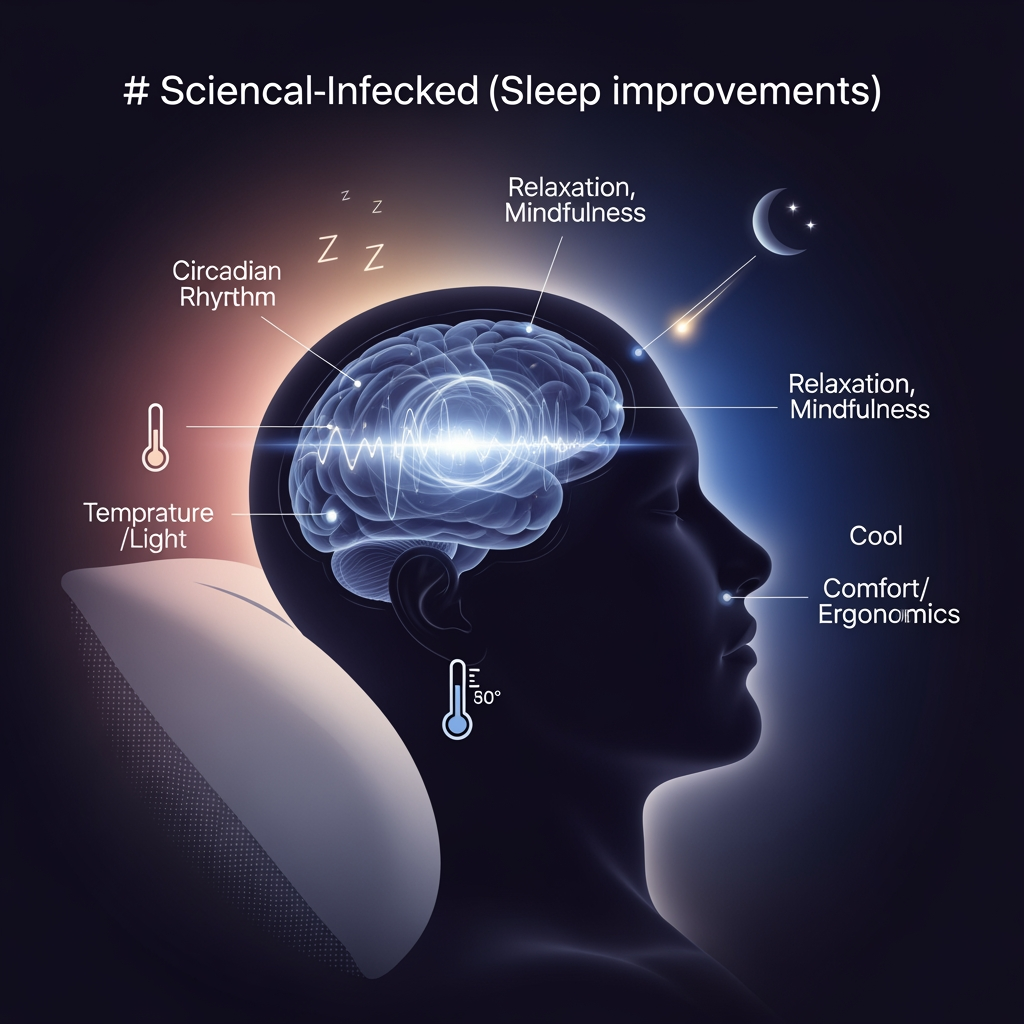
Millions of people struggle with sleep, trying various remedies with mixed results. Research has identified which strategies actually work and which are just folklore.
Consistent Sleep Schedule
Your body's internal clock regulates sleep hormones based on routine. Going to bed and waking up at the same time every day—including weekends—strengthens this rhythm. Irregular schedules confuse your circadian system.
Temperature Matters
Body temperature naturally drops at night, signaling sleep time. A cool bedroom (65-68°F) facilitates this process. Taking a warm bath before bed helps because the subsequent temperature drop enhances sleepiness.
Light Exposure Timing
Morning light exposure helps regulate your sleep-wake cycle. Evening light, especially blue light from screens, delays melatonin release. Dim lights in the hour before bed and consider blue light blocking if screen use is unavoidable.
Caffeine Has a Long Half-Life
Caffeine remains in your system far longer than most people realize. Its half-life is about five hours, meaning half is still active five hours after consumption. Afternoon coffee affects nighttime sleep even if you don't feel stimulated.
Exercise Timing
Regular exercise improves sleep quality, but timing matters. Morning or afternoon workouts are ideal. Vigorous exercise within three hours of bedtime can interfere with falling asleep by raising body temperature and adrenaline.
This article was generated by AI to provide informational content.