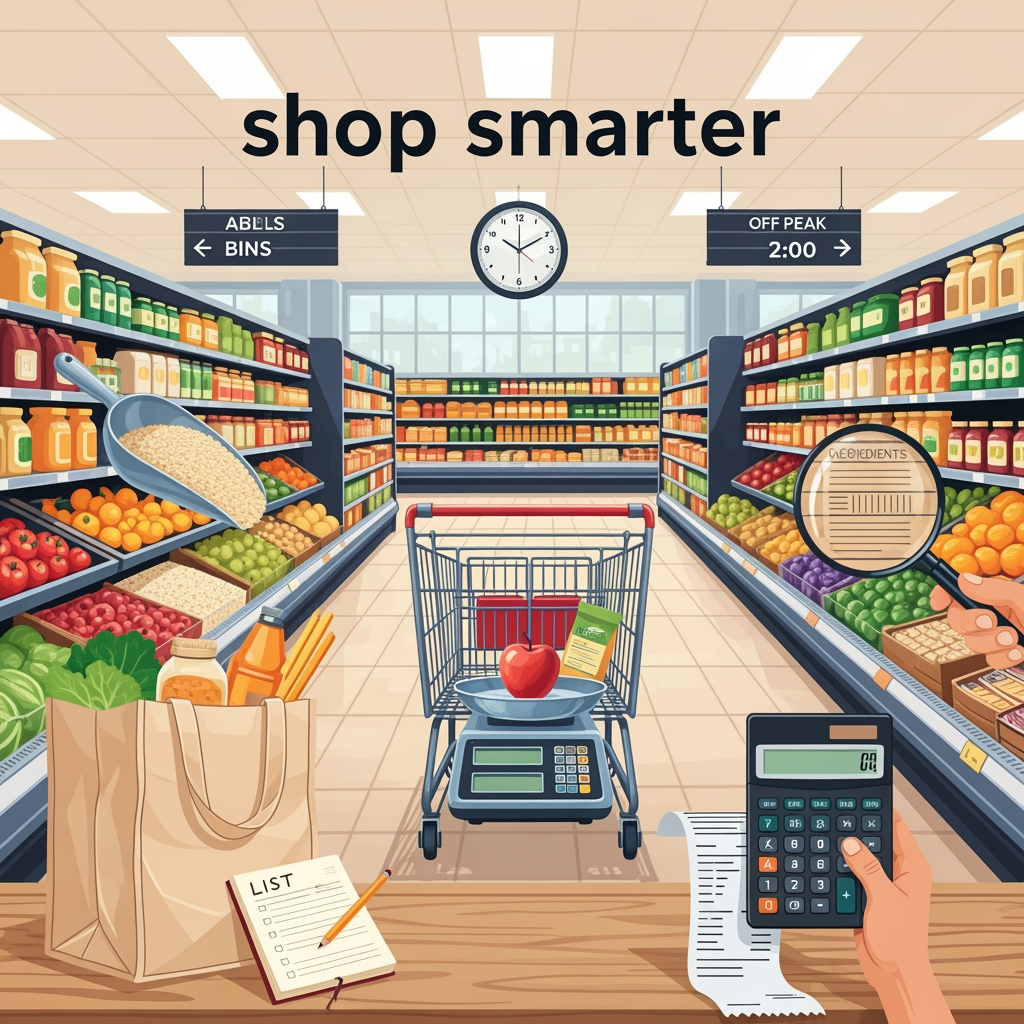
The average household wastes hundreds of dollars annually on food that spoils and impulse purchases. Strategic shopping habits save money while reducing waste.
Never Shop Hungry
This cliché exists because it's true. Hunger activates brain regions associated with reward, making treats and convenience foods more appealing. Eat before shopping or keep snacks in your car for pre-shopping fuel.
Make a List and Stick to It
Plan meals for the week and list required ingredients. Organize your list by store section to minimize wandering past temptations. Checking the list keeps you focused and prevents both forgotten items and impulse additions.
Understand Store Layout
Supermarkets place staples like milk and bread at the back, forcing you past other products. High-margin items sit at eye level. Knowing these tricks helps you navigate efficiently rather than following the store's psychological design.
Compare Unit Prices
Bigger packages aren't always better deals. Check the unit price (price per ounce or count) on shelf labels. Sometimes medium sizes or different brands offer better value than the largest option.
Shop the Perimeter First
Fresh foods line store edges: produce, meat, dairy, bakery. Interior aisles contain more processed foods with longer shelf lives but often less nutritional value. Start with perimeter items before venturing into center aisles.
Consider Store Brands
Generic and store brands often come from the same manufacturers as name brands. Blind taste tests frequently show no detectable difference. The savings add up significantly over time.
This article was generated by AI to provide informational content.