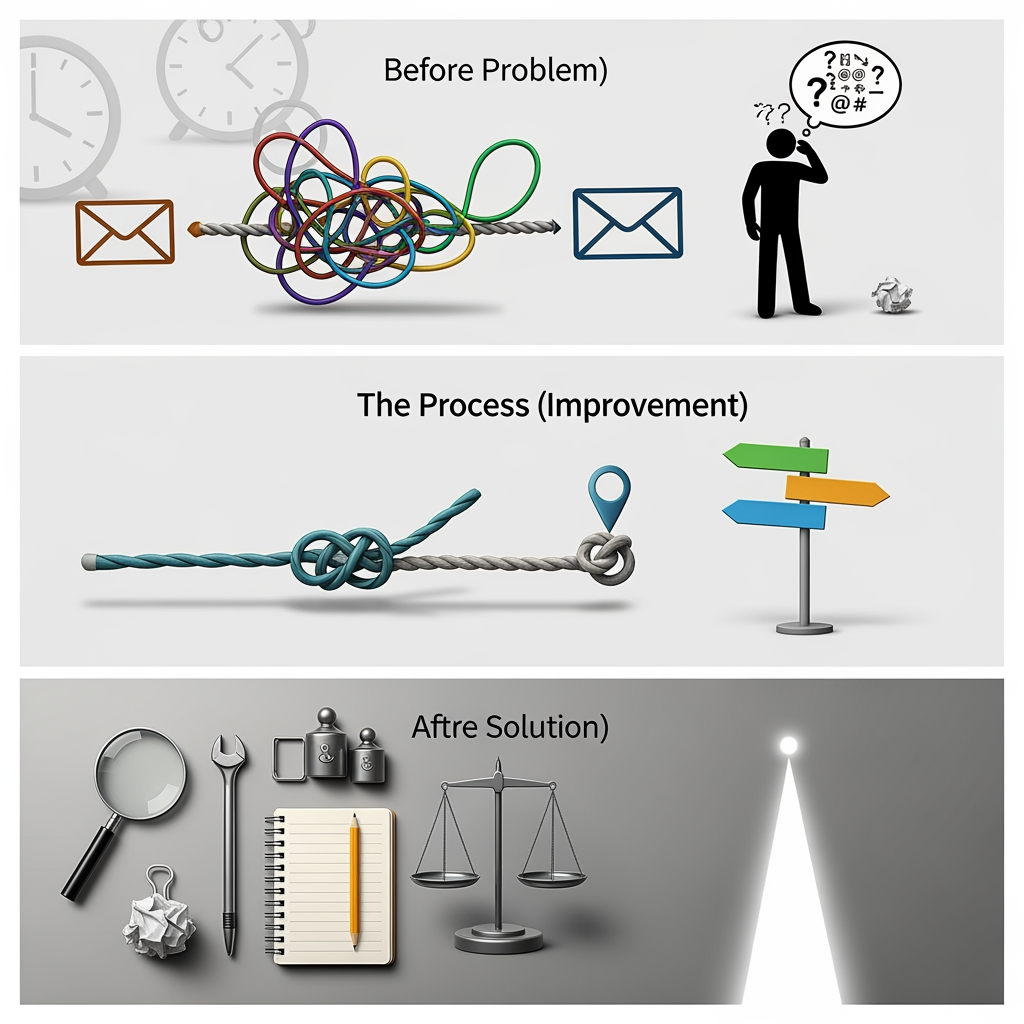
Your carefully crafted email sits unopened in someone's inbox, competing with hundreds of others. Making yours stand out requires understanding how busy people process their messages.
Subject Lines Matter Most
Most people decide whether to open emails based solely on the subject line. Be specific and indicate what action you need. "Question about Thursday meeting" beats "Hello." If you need something by a deadline, put it in the subject.
Front-Load the Important Stuff
Busy readers skim. Put your main point or request in the first sentence or two. Background information and details can follow. If someone stops reading after the first paragraph, they should still understand what you need.
Make Action Items Obvious
Clearly state what response or action you want. Vague endings like "let me know your thoughts" leave people uncertain how to respond. Specific requests—"Please confirm by Friday" or "Choose option A or B"—make responding easy.
Keep It Short
Long emails get saved for later reading, which often means never. If your email requires scrolling, consider whether all that content is truly necessary. Bullet points help when you must convey multiple items.
Timing Affects Response Rates
Emails sent Tuesday through Thursday during mid-morning hours get higher response rates. Avoid sending important emails Friday afternoon or over weekends when they'll get buried under Monday's flood.
This article was generated by AI to provide informational content.