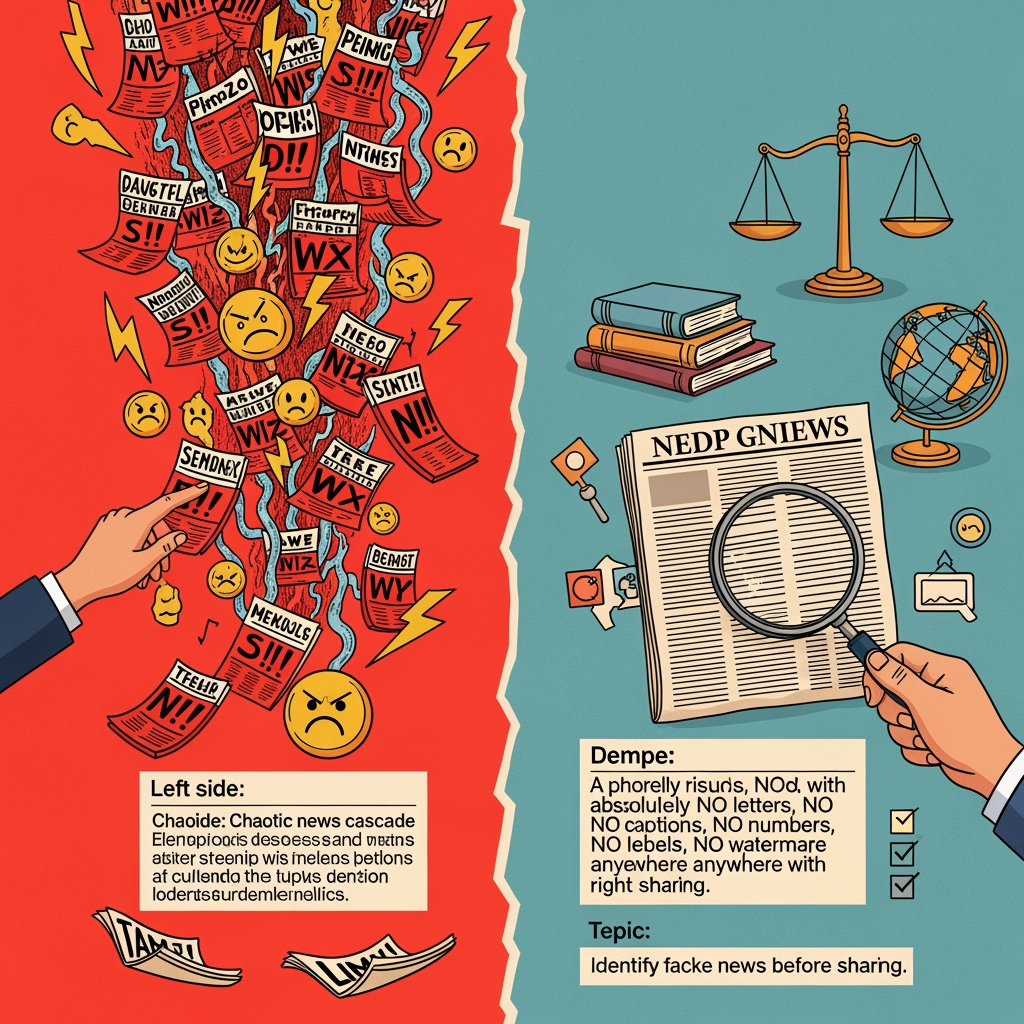
Misleading content spreads faster than ever online. Learning to evaluate information critically protects you from manipulation and helps you make better-informed decisions.
Check the Source
Unfamiliar websites require scrutiny. Look for an "About" page explaining who runs the site. Check if other reputable outlets report the same story. Search the site's name plus "fake" or "bias" to see what others say about its credibility.
Examine the Evidence
Credible stories cite specific sources: named experts, links to studies, official documents, or firsthand accounts. Vague attributions like "scientists say" or "studies show" without details are red flags. Click through to original sources when possible.
Consider the Emotional Appeal
Misinformation often triggers strong emotions—outrage, fear, or vindication. When something makes you feel intensely, pause before sharing. Emotional reactions can override critical thinking.
Reverse Image Search
Misleading stories often use real photos from different contexts. Right-click images and search to find their original source. A photo claiming to show a recent event might actually be years old or from another location entirely.
Beware Confirmation Bias
We naturally believe information that confirms what we already think. Apply extra scrutiny to stories that perfectly match your existing views. These are precisely the stories we're most likely to accept uncritically.
This article was generated by AI to provide informational content.