Batteries power everything from phones to cars, yet most people have only a vague idea of what happens inside them. The chemistry is elegant and increasingly relevant in our electrified world.
The Basic Principle
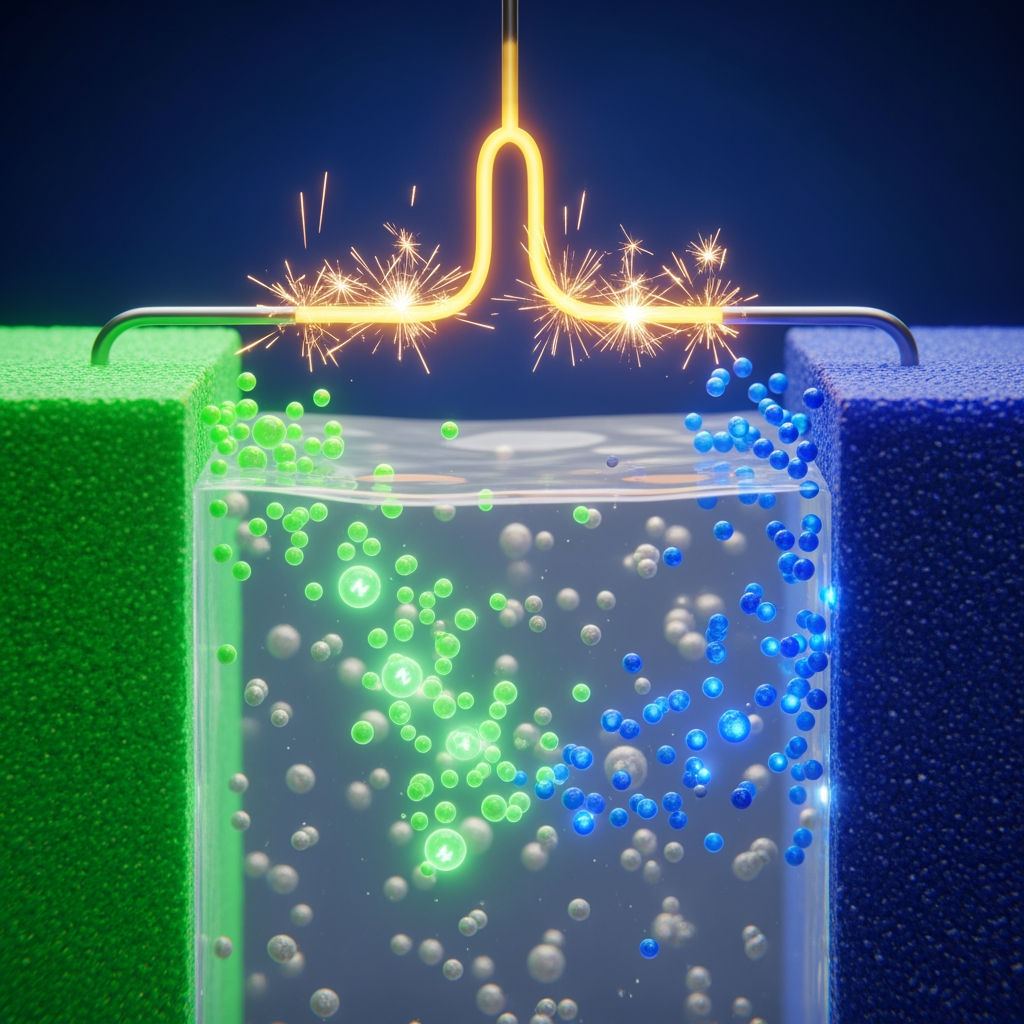
Batteries convert chemical energy to electrical energy through controlled reactions. Two different materials—the anode and cathode—want to react, but the battery structure forces electrons to travel through an external circuit to complete the reaction, powering devices along the way.
Primary vs. Rechargeable
Disposable batteries undergo irreversible chemical reactions. Once reactants are consumed, they're dead. Rechargeable batteries use reversible reactions—applying electricity reverses the chemistry, restoring the original state.
Lithium-Ion Technology
Modern rechargeable devices use lithium-ion batteries. Lithium ions flow between electrodes through an electrolyte while electrons travel through circuits. This chemistry offers high energy density with reasonable lifespan, though degradation occurs with each charge cycle.
Why Batteries Die
Over time, chemical reactions become less efficient. Side reactions consume materials. Physical structures degrade. Heat accelerates deterioration. This explains why old phone batteries last shorter times between charges.
Future Developments
Researchers pursue solid-state batteries (replacing liquid electrolyte with solid), higher capacity materials, and faster charging capabilities. These improvements could extend electric vehicle range and reduce charging times dramatically.
This article was generated by AI to provide informational content.